
I used to think upgrading my warehouse meant bigger forklifts or a shiny new WMS. But last year, standing in my cluttered 3,000-square-foot shop, I realized I was missing the real bottleneck: storage. Pipes and steel bars were eating my space, slowing my crew, and delaying orders. If you’ve ever searched “warehouse upgrade advice” because your operation feels stuck, I’ve been there—chasing the wrong fixes. I learned the hard way that the right steel bar storage racks aren’t just a corner of your workflow—they’re the backbone. Here’s why my next upgrade started there, and why yours might too.
p>
The Missteps That Cost Me
My warehouse wasn’t a disaster, but it wasn’t winning either. We moved 20-foot pipes and 40-foot rods daily, and our cantilever racks were holding us back. Pulls took 20 minutes—two guys wrestling arms and hoists. Space was tight; I could fit 60 pipes, max, and new stock meant shuffling everything. By noon, we’d hit 10 pulls, and customers were already calling about delays. My crew chief, Mike, from our facility in Austin, put it bluntly one day: “We’re running in circles, boss. This ain’t the forklifts’ fault.”
I’d spent years tweaking other parts—faster lifts, better software, even a new dock door. But the gains were small. A 10% speed boost on a forklift didn’t help when we couldn’t reach the stock fast enough. Software flagged orders quicker, but if the material was buried, we were still late. I was burning cash on upgrades that didn’t move the needle, and my crew was feeling the strain—overtime creeping up, morale dipping. The problem wasn’t my tools or my team; it was how we stored our steel. I needed to stop patching and start rethinking.
What I Needed (and Kept Missing)
I took a step back and talked it out with Mike and a couple of logistics buddies. What kept surfacing was this:
- I needed storage that didn’t choke my workflow—fast access, no gridlock.
- I wanted space that worked harder, so I could stock more without sprawling.
- I had to cut delays and costs without throwing money at flashy tech.
Cantilever racks were dragging us down—bulky, slow, and wasteful. Floor stacking was worse; it turned my floor into a maze. I’d looked at automation, but for a mid-size shop like mine, it was overkill—six figures for a system I didn’t need. All I wanted was a foundation that let my whole operation breathe—forklifts, crew, orders, all clicking. I needed better steel bar storage racks, but I was focused on everything else.
The Upgrade That Unlocked Everything
Then I got a nudge from a vendor who’d seen my chaos. “Look at your storage first,” he said. “Try a honeycomb rack.” I wasn’t sold—racks don’t sound like game-changers—but I was tired of spinning my wheels. I called [Your Company Name], the folks who make them, and spilled my frustration: “My warehouse is sluggish, and storage is the choke point. What’s the deal?” They didn’t pitch a revolution—just asked about my stock and pace. A week later, they brought in something that rewired my shop.
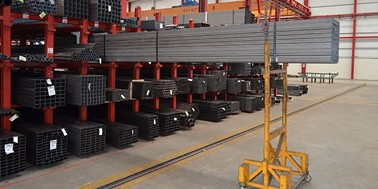
It’s no sci-fi gadget—21 ft long, 12 ft high, with slots about 2 ft square—but it’s sharp. Each slot has a cart that rolls out clean, holding 3 tons. Mike pulled a 20-foot steel bar in three minutes, solo, and gave me a look: “This is too easy.” We loaded 120 bars in a footprint that used to hold 60—double the stock, half the hassle. Pulls jumped to 30 a day, no sweat. Suddenly, the forklifts were keeping up, orders were shipping on time, and Mike wasn’t griping about circles anymore. Storage wasn’t just a fix; it was the lever that lifted everything else.
Why Storage Set the Tone
Here’s what I learned—and maybe it’s what you’re wrestling with:
- Flow Starts Here: Three-minute pulls mean my crew’s not bottlenecked—orders move as fast as we do.
- Space Drives Scale: 120 bars in 225 square feet, not 60 in 320—I’m stocking more without begging for room.
- Costs Stay Low: Less overtime, fewer delays, same headcount—my upgrades work because the foundation does.
These modern steel bar storage racks are tough—carbon steel, guards for steady carts—so we’re not babysitting them. If demand grows, the system extends; no rip-and-replace. I didn’t need a new warehouse or a tech overhaul. I needed storage that didn’t fight me, and the rest fell into place—forklifts humming, crew focused, customers happy.
The Fine Print That Adds Up
Let’s run the numbers, because I don’t bet on feelings.
| Metric | Old Cantilever Rack | New Honeycomb Rack |
|---|---|---|
| Footprint | 32 ft x 10 ft (320 sq ft) | 21 ft x 10.5 ft (225 sq ft) |
| Capacity | 60 bars | 120 bars |
| Pull Time (per bar) | 20 minutes (2 workers) | 3 minutes (1 worker) |
| Daily Labor Cost (Pulls) | $120 (10 pulls) | $45 (30 pulls) |
| Lost Revenue & Overtime | $6,500 / month | $0 |
| Annual Net Win | $121,300+ (Savings + New Revenue) | |
What I’d Tell You Straight
If your warehouse is lagging, don’t start with the shiny stuff—look at your storage. I wasted years chasing forklifts and software, thinking they’d fix my flow, but a bad foundation held me back. This honeycomb rack isn’t a silver bullet; it’s just the first move that made my upgrades count. If you’re ready to level up, maybe call [Your Company Name]. Tell them your stock, your pinch points—they’ll point you right. I’m not selling—just saying what got my shop running like it should.

 EN
EN  DE
DE  RU
RU  NL
NL  PT
PT  JA
JA  ES
ES  IT
IT