
Running a warehouse isn’t just about moving metal—it’s about keeping your team from burning out. Last year, I watched my crew drag themselves through shifts, hauling 20-foot steel pipes off a clunky cantilever rack. By mid-afternoon, they were wiped, tempers short, and I could feel the mood souring. If you’ve ever searched “warehouse worker-friendly storage” because your folks are grumbling and you’re losing steam, I’ve been there. I was letting my setup grind my team down—until I found a way to keep them moving, not moaning.
The Grind That Broke the Spirit
My warehouse handles long stock—pipes, rods, flats—day in, day out. The cantilever rack we used seemed fine at first, but it was a beast to work with. Every pull took two guys and 20 minutes: one wrestling the hoist, another dodging arms to guide the pipe. On a good day, we’d hit 12 pulls; on a bad one, we’d be lucky to get 8. By 3 p.m., my crew was beat—backs sore, patience gone. My lead hand, Tara, said it best one day, tossing her gloves down: “This rack’s killing us, boss. I’m not built for this all day.”
It wasn’t just physical. The slow pace made everyone feel stuck. Orders piled up, customers called, and I’d hear whispers in the break room—guys wondering if it was worth sticking around. I couldn’t blame them. Nobody signs up to fight their own gear shift after shift. I wasn’t just losing hours—I was losing morale, and that’s harder to fix. I needed a way to make their day easier, not heavier, without breaking the bank on new hires or fancy tools.
What I Needed (and Wasn’t Seeing)
I talked it over with Tara and a couple of others, trying to pin it down. What kept coming up was this:
- I needed pulls that didn’t wear out two guys every time.
- I wanted my crew focused, not frustrated, by quitting time.
- I couldn’t keep losing good people to a bad setup.
Cantilever racks were the problem—too awkward, too slow for constant use. Floor stacking? That’d make it worse—tripping hazards and buried stock. I’d looked at automated systems, but those were overkill for my shop and priced like a small car. All I wanted was a system that let my team move pipes without feeling like they’d run a marathon. Was that asking too much?
The Shift That Changed the Vibe
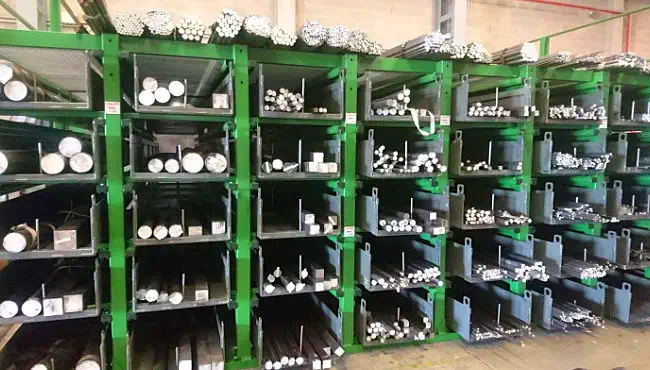
Then a guy I know from a supply chain meetup mentioned a honeycomb rack system. “My crew loves it,” he said. “Less hassle, more done.” I was dubious—could a rack really change the mood?—but I was ready to try anything. I called the supplier and laid it out: “My team’s exhausted pulling pipes all day. I need something easier.” They didn’t oversell—just asked about our pace and stock. A week later, they brought in a game-changer: a storage solution perfect for long materials and even for organizing lamiera alveolare.
It’s simple—21 feet long, 12 feet high, with slots about 2 feet square—but it’s smooth. Each slot has a cart that rolls out like butter, no fighting required. Tara hooked up the hoist, pulled a 20-foot pipe in three minutes, and laughed. “This is stupid easy,” she said, sliding it back. One person could handle it—no second pair of hands, no swearing. We hit 25 pulls that day, and nobody looked like they’d been through a grinder. By week’s end, we were at 30 pulls daily, and the break room wasn’t a complaint zone anymore.
Why It Lifted the Team
Here’s what stood out—and maybe it’s what you’re after:
- One-Person Power: A single worker can pull a pipe—three minutes, no strain. Tara’s not dragging anyone else into it.
- No More Slog: Fast pulls mean less time stuck, more time moving forward—my crew’s got gas left in the tank.
- Tough Enough: With a capacity of 3 tons per layer, this lamiera alveolare rack handles our heavy stock without us babying it.
It’s built solid—carbon steel, with guards to keep carts steady, which cuts the fumbles that used to spark arguments. If orders ramp up, it can be extended—no overhaul needed. I’m not just storing pipes now; I’m keeping my team steady, and that’s worth more than any rack.
The Fine Print That Adds Up
Let’s break it down, because I track every penny. Old cantilever rack: 20 minutes a pull, 12 pulls a day—240 minutes (4 hours) labor per worker, two workers, at $25/hour. That’s $200 daily for pulls alone. The morale hit meant turnover—one guy quit last year, costing $5,000 to replace (training, lost time). Total: $52,000 yearly labor for pulls, plus a $5,000 hit. Honeycomb rack: 3 minutes a pull, 30 pulls a day—90 minutes labor, one worker, $37.50 daily. That’s $9,750 yearly labor. No quits since—call it $5,000 saved. Total savings: $42,250 a year. Plus, we’re shipping faster—$3,000 extra revenue monthly from happier customers. That’s over $78,000 in my pocket annually, and a crew that’s not eyeing the door.
What I’d Tell You Plainly
If your team’s dragging because your setup’s a slog, don’t think it’s just part of the job. I let a bad rack sap my crew’s spark for too long, thinking we’d tough it out. This honeycomb rack isn’t some feel-good fix; it’s the first thing that let my folks work without wearing down. If you’re seeing tired faces and hearing gripes, maybe it’s time to look at a better storage system. Tell them about your pulls, your vibe—they’ll sort it. I’m not here to preach—just to say what got my team smiling again.

 EN
EN  DE
DE  RU
RU  NL
NL  PT
PT  JA
JA  ES
ES  IT
IT