
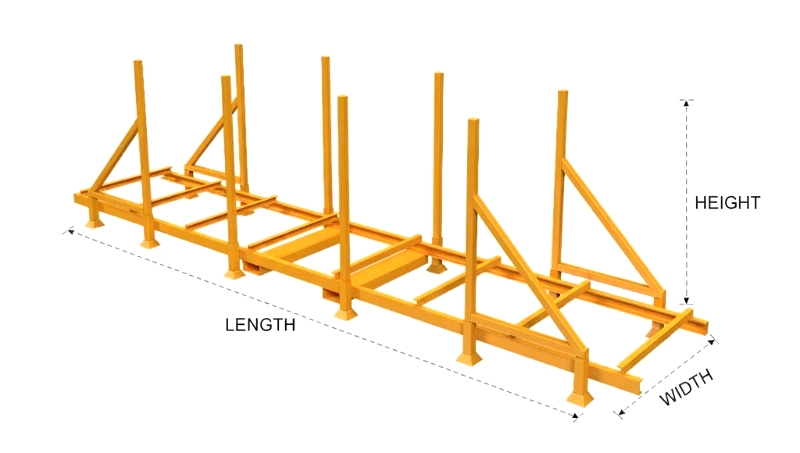
Outdoor storage purchases go wrong when buyers focus on the rack before checking the yard. For Bpirack, the key question is not just whether the structure is strong enough. It is whether the site, load, and handling method are all suitable for safe stacking and efficient use. A yard-readiness checklist prevents buying the right product for the wrong ground.
Why the Yard Must Be Evaluated First
A technically sound rack can still perform badly on an unprepared site. Uneven ground, weak bearing surfaces, poor forklift access, and unknown bundle weight all create risk long before the first stack reaches full height. That is why outdoor buying should start with the yard, not with a catalog photo.
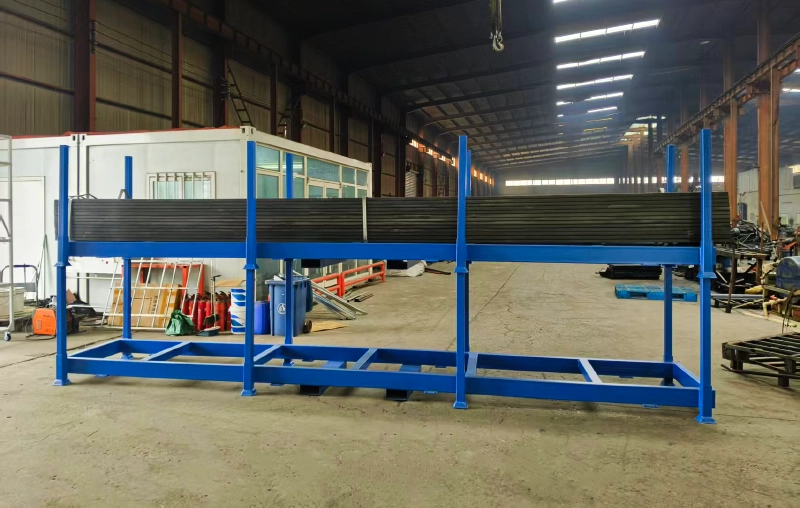
What Buyers Should Confirm
Confirm the actual bundle weight, target stack height, forklift lift height, fork entry preference, and whether the ground is concrete or properly hardened. If a mobile version with casters is being considered, the operating rule must be even clearer: do not treat a wheeled unit as a normal multi-level stacking base unless a proper anti-movement solution is in place.

Practical Yard-Readiness Checklist
- Bundle weight vs static and dynamic capacity
- Ground hardness, flatness, and drainage
- Forklift reach and operating aisle limits
- Indoor, covered, or fully outdoor exposure
- Whether mobile caster use is part of the plan
Checking Whether Your Yard Is Ready for Bpirack?
Send us your ground type, bundle specs, and forklift data. We can help you review the site against a practical readiness checklist before you commit.

 EN
EN  DE
DE  RU
RU  NL
NL  PT
PT  JA
JA  ES
ES  IT
IT