

Not every long-item storage problem is about steel tonnage. Many factories, warehouses, and support areas waste space on awkward long items that never fit normal shelving: brooms, trim pieces, light profiles, packaging bars, protective rods, and other odd-length materials. A-frame vertical storage can turn this messy corner-of-the-workshop problem into structured, high-density, easy-access organization.
—
## The Long-Item Problem Most Facilities Ignore
Every facility has them: the items too long for normal racks and too light to justify heavy-duty engineered storage. They get leaned against walls, thrown into corners, laid behind machines, or stacked near doors. Over time, these awkward items create a quiet but persistent management problem.
The issue is bigger than untidiness. Poor storage of special long items causes:
– blocked walkways and corners
– hard-to-find cleaning tools and support materials
– damaged wooden handles or light profiles from floor contact
– unstable leaning stacks that fall when one item is pulled
– wasted floor space in rooms that already feel too small
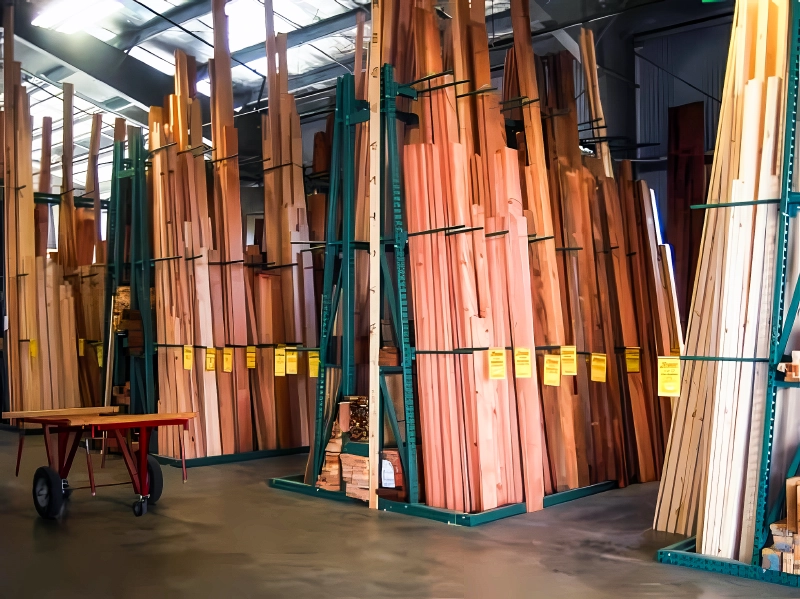
Many companies tolerate this because the items seem too minor to deserve a real storage system. But that mindset creates daily friction everywhere from maintenance rooms to packaging prep zones and production support areas.
—
## Why A-Frame Vertical Storage Fits Odd Long Items So Well
A vertical rack does not need the items to be heavy to be useful. Its advantage is posture control, classification, and footprint reduction.
### It Uses Height Instead of Wall Length
Most special long items are stored horizontally or diagonally because people assume length must translate into floor spread. A vertical rack flips that logic and concentrates the same category into a tighter footprint.
### It Keeps the Bottom Off the Floor
That matters for wood handles, coated rods, trim sections, or any item that should not sit in dirt or moisture. A proper base system lifts the stored items away from the floor rather than letting them absorb contamination or damage over time.

### It Creates Real Categories Instead of a Loose Pile
When one broom, strip, rail, or trim bundle is leaned against another, retrieval becomes annoying and unstable. Divider logic inside a vertical rack creates defined channels so each group can live in its own slot. That makes odd inventory easier to count, easier to replenish, and easier to keep tidy.
—
## Strong Use Cases Beyond Pipe Storage
Although Vprack logic is often discussed around tubes and profiles, the same storage principles can help many other long-item categories:
– factory cleaning tools such as long-handle brooms or mops
– trim strips, molding, and edge pieces
– packaging support rods and spacers
– light wood slats and narrow boards
– maintenance support poles or specialty rods
– low-volume odd-length accessories that never fit standard shelving
This is especially useful when the real pain point is not heavy load but organizational failure.
—
## Why This Matters for 5S and Daily Discipline
Facilities often spend money on major storage projects while ignoring the messy support inventory that makes a workshop look disorganized every day. Odd long items are famous for drifting into dead corners, behind doors, next to machines, or along walls where nobody officially owns them.
A vertical storage rack helps turn that problem into a managed zone with visible rules:
– dedicated slots
– defined item groups
– off-floor storage
– faster return-to-location behavior
– better cleanliness and visual order

That may sound simple, but in practice it improves audits, reduces “where did we leave it?” time, and makes shared support equipment much easier to control.
—
## When to Use This Instead of Improvised Wall Storage
Improvised wall leaning seems free, but it comes with hidden costs:
– items slide and tangle together
– the first pull destabilizes the whole stack
– tall piles look unsafe to workers and auditors
– the floor under the items becomes dirty and inaccessible
– no one can classify or count inventory properly
A structured vertical rack does not eliminate every storage decision, but it gives special long items a formal home instead of letting them colonize random corners of the building.
—
## The Business Value Is More Real Than It Looks
| Common Facility Issue | Vertical Storage Response | Benefit |
| — | — | — |
| Brooms and long tools piled in corners | Dedicated upright grouped storage | Cleaner 5S and faster retrieval |
| Light profiles mixed together | Divided classified slots | Better organization and less mix-up |
| Handles and strips touching the floor | Raised base structure | Lower moisture and dirt exposure |
| Leaning wall storage looks unsafe | Controlled rack geometry and restraint | Better visual safety confidence |
| Long odd items occupy too much wall length | Dense upright footprint | Frees usable support-space area |
—
## Frequently Asked Questions
### 1. Is this only for metal pipe?
No. The storage logic can also fit many other long, awkward, light-to-medium items that benefit from upright categorized storage.
### 2. Can it help with factory cleaning tool organization?
Yes. Long-handle tools are one of the clearest examples of items that waste floor space when stored casually.
### 3. Why not just add hooks to the wall?
Wall hooks may work for very small quantities, but once volume increases, they usually become inconsistent, hard to classify, and visually messy.
### 4. Is this suitable for very heavy structural stock?
Usually not. For heavy rigid loads, a different engineered storage system is typically better.
### 5. What should we define before ordering?
Item length, quantity, width/diameter range, sensitivity to moisture or scratching, and whether the rack is fixed in one room or used in a moving support role.
—
HAVE AN AWKWARD LONG-ITEM STORAGE PROBLEM?
If your facility keeps fighting with brooms, trim pieces, light profiles, or other hard-to-store long items, send us the dimensions and quantity mix. We can help turn that dead corner into a proper vertical storage zone.

 EN
EN  DE
DE  RU
RU  NL
NL  PT
PT  JA
JA  ES
ES  IT
IT